Manaslu Circuit Trekking
The Manaslu Circuit Trek, also known as the Manaslu Trek or Round Manaslu Trek, is one of the most scenic and rewarding treks in the Nepal Himalayas. This trek around Mt. Manaslu (8,163 m), the eighth-highest mountain in the world, provides a stunning mountain view, diverse landscapes, and a rich cultural heritage. While trekking through Nepal's most breathtaking Himalayan landscapes, you will encounter amiable locals, visit ancient Buddhist monasteries, and pass by tranquil mountain villages.
Manaslu Circuit Trek: Complete Guide to Trekking Around Mount Manaslu
The Manaslu Circuit Trek is one of the best trekking adventures in western Nepal. It goes through one of the most remote and untouched parts of the Himalayas, covering about 178 kilometers of trekking. This less-crowded trekking route opened to trekkers in 1992 and offers a mix of untouched natural beauty, rich cultural heritage, and high-altitude adventure. The trek goes around Mount Manaslu (8,163 m), the eighth-highest mountain in the world. Along the way, trekkers can see some of the most famous Himalayan peaks, such as Boudha Himal, Sringi Himal, Ganesh Himal, Langtang Himal, Himalchuli, Ngadi Chuli, Cheo Himal, Himlung Himal, and Kang Guru Himal.
Manaslu Circuit Trek Route
The Manaslu Circuit Trek begins with a scenic drive from Kathmandu to Gorkha and proceeds along the Daraundi River, passing through the traditional Gurung villages of Barpak and Laprak to the beautiful Budhi Gandaki River Valley. The trail winds through lush forests, terraced fields, suspension bridges, and charming mountain villages, gradually ascending via Jagat, Deng, Namrung, Lho, Sama Gaun, Samdo, and Dharmasala to the spectacular Larkya La Pass (5,106 m), the highest point of the trek. As we climb in altitude, the scenery changes from subtropical forests to a rugged alpine environment with incredible views of Mt. Manaslu, Himlung Himal, Cheo Himal, Annapurna II, and many more snow-capped peaks. The trail descends through the beautiful alpine valley of Bimthang, Gowa, Tilije, and Tal after crossing one of the longest and most scenic mountain passes in Nepal before returning to Kathmandu. The Manaslu Circuit Trek is one of the most dramatic in mountain scenery, varied landscapes, and rich Gurung and Tibetan cultures, making it one of Nepal’s most rewarding and memorable Himalayan adventures.
Experience the Rich Culture of the Manaslu Region
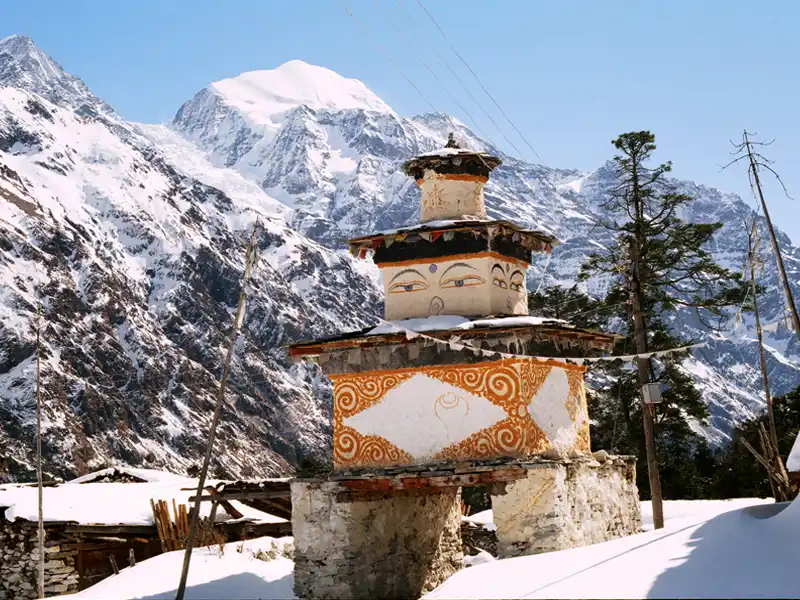
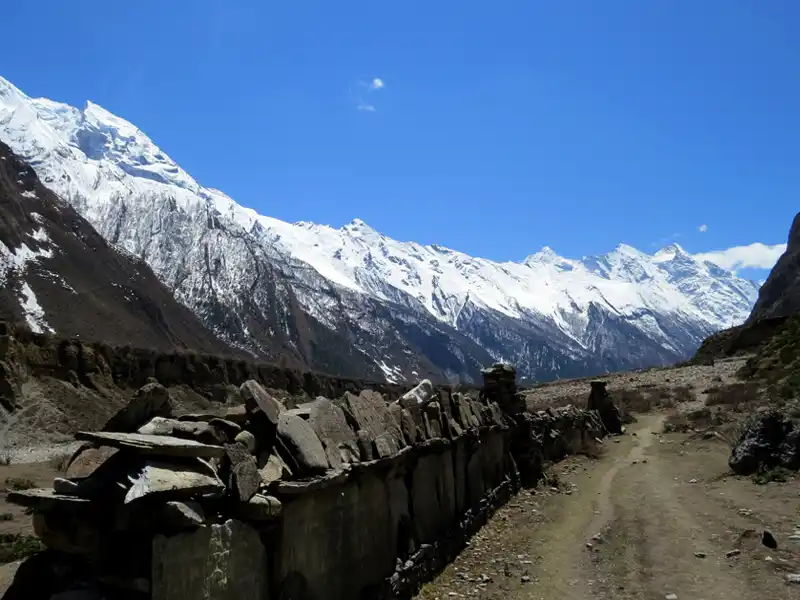
The Manaslu Circuit Trek is not only a journey through some of the most beautiful mountain scenery; it is also a cultural journey. The trek begins in the historic Gorkha region and passes through traditional villages such as Barpak, Laprak, Jagat, Namrung, Lho, Sama Gaun, and Samdo. The settlements are home to Gurung, Nubri, and Tibetan communities, who have preserved their traditional language, way of life, and age-old traditions for generations. Along the way, trekkers will see centuries-old Buddhist monasteries, chortens, mani walls, and colorful prayer flags and enjoy the warm hospitality of the local people. Most of the trail lies in the Manaslu Conservation Area, which protects the area’s unique wildlife, forests, and rich cultural heritage.
Trekking Permits and Requirements
The Manaslu region is a restricted trekking area, so trekkers must obtain the following permits before starting their trek:
- Manaslu Restricted Area Permit (RAP)
- Manaslu Conservation Area Permit (MCAP)
- Annapurna Conservation Area Permit (ACAP)
- Tsum-Nubri Rural Municipality entrance fee
According to the regulations of the Nepal Government, all the trekkers are required to trek with a licensed Nepalese trekking guide, 1 or 2 trekkers in a group, through a registered trekking agency of Nepal.
Manaslu Trek Difficulty and Altitude
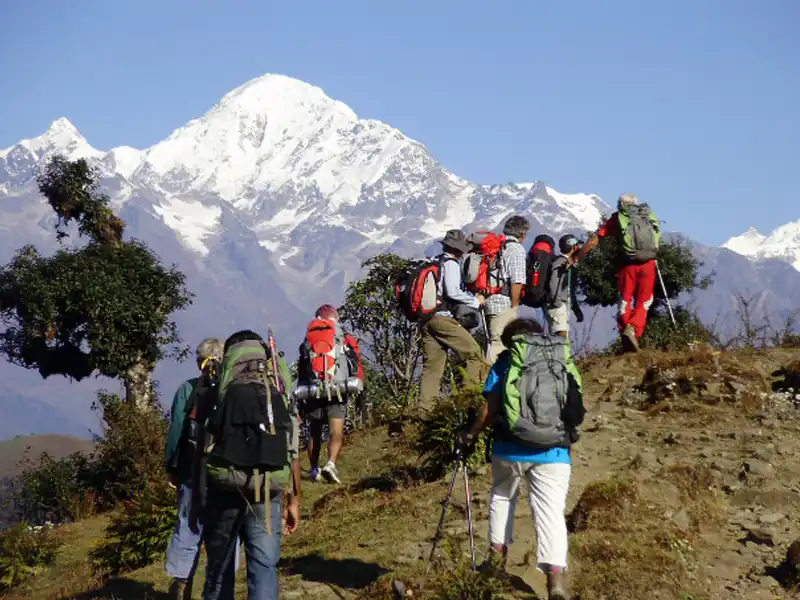
The Manaslu Circuit Trek is considered a moderate-to-challenging trek. On most trekking days, you will walk between 6 and 8 hours, with the highest point being the Larkya La Pass (5,106 m). Acclimatization is important for safe and enjoyable travel. Most itineraries allow rest days at Sama Gaun (3,530 m) and Samdo (3,875 m) to allow trekkers to acclimatize to the increasing altitude and minimize the risk of altitude sickness.
Best Time to Trek the Manaslu Circuit Trek
The best time to do the Manaslu Circuit is spring (March to May) and autumn (September to November). Spring is the most beautiful season for trekking, with blooming rhododendron forests, pleasant temperatures, clear skies, and excellent mountain views. The best time to visit is autumn for stable weather, clear blue skies, and spectacular views of the Himalayas. Winter (Dec to Feb) is also an option, but cold temperatures, snowfall, and icy trails make the trek more challenging and more suited to experienced trekkers. The monsoon (June-August) is generally not recommended because of heavy rain, slippery trails, leeches, and the possibility of landslides.
Why Choose the Manaslu Circuit Trek?
The Manaslu Circuit Trek is ideal for those seeking an authentic Himalayan adventure away from the crowds. Compared to the Everest and Annapurna regions, the trek provides more solitude, untouched natural beauty, and a richer cultural experience. From lush river valleys and ancient mountain villages to the thrilling crossing of the Larkya La Pass, each day brings new landscapes and unforgettable memories. Whether you're an experienced trekker or an adventurous traveler looking for a one-of-a-kind trekking experience in Nepal, the Manaslu Circuit Trek combines breathtaking mountain scenery, rich Tibetan-influenced culture, and thrilling high-altitude adventure to create one of the best trekking journeys in the Himalayas.
Highlights of Manaslu Circuit Trek
The Manaslu Circuit Trek is renowned for its beautiful Himalayan scenery, different ecosystems, and rich cultural history. Here are the most important things that will make this trek an adventure you'll never forget:
Mount Manaslu and Surrounding Peaks: The trek circumnavigates Mount Manaslu (8,163 m), the eighth-highest mountain in the world, providing awe-inspiring panoramic views of peaks such as Boudha Himal, Ganesh Himal, Himalchuli, Langtang Himal, Ngadi Chuli, Himlung Himal, Cheo Himal, and Kang Guru Himal.
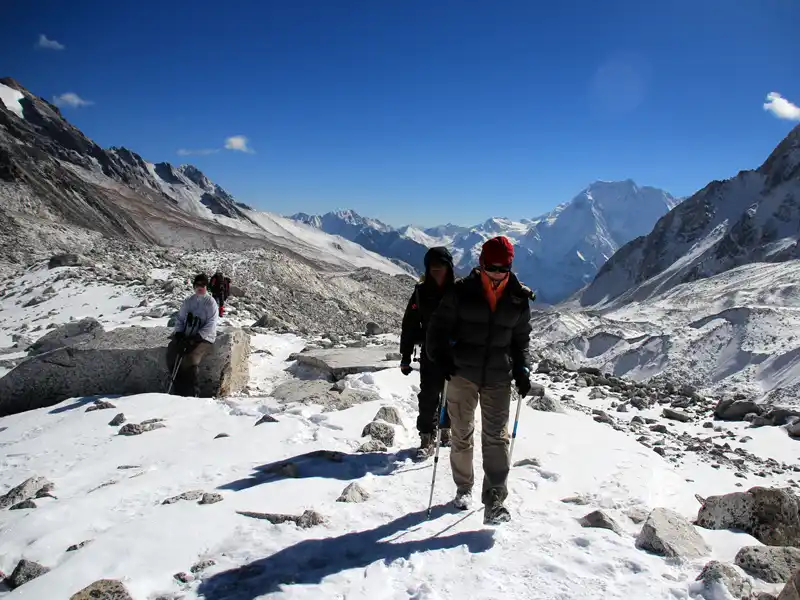
Crossing the Larkya La Pass (5,106 m): One of Nepal's highest and most scenic mountain passes, with spectacular views of snow-capped peaks and glaciers, is a highlight of the trek.
Authentic Cultural Experiences: Trekkers pass through traditional Gurung and Tibetan-influenced villages such as Barpak, Laprak, Sama Gaun, and Samdo, learning about local customs, monasteries, chortens, mani walls, and welcoming mountain communities.
Untouched Tibetan Buddhist Culture: The local culture has been remarkably well-preserved as a result of the regional closure to foreigners until 1991 and its continued classification as a "Restricted Area."
Ancient Monasteries: Explore the Pungyen Gompa, which is concealed beneath the glaciers.
Mani Walls and Chortens: You will pass by some of the most intricate and lengthy hand-carved prayer stone walls in Nepal as you walk.
Authentic Villages: Locations such as Lho, Samagaon, and Samdo are reminiscent of a bygone era, as the local populace continues to wear traditional Tibetan attire and subsist on high-altitude farming and herding.
Diverse Landscapes and Biodiversity: The trek follows the Budhi Gandaki River valley, transitioning from terraced farmlands and lush subtropical forests to rugged alpine terrain. This journey demonstrates the extensive biodiversity of Nepal within the Manaslu Conservation Area.
Less-Crowded and Off-the-Beaten-Path: The Manaslu Circuit Trek provides a serene and less-crowded experience, making it an ideal choice for trekkers who want to experience the authentic Himalayan landscape, adventure, and solitude, in contrast to the popular trekking routes in the Everest and Annapurna regions.
Ideal Seasons for Trekking: The Manaslu Circuit is most favorable during the spring (March–May) for its rhododendron blooms and clear skies, and in the autumn (September–November) for its spectacular mountain views and stable weather.
Drastic Altitude and Climate Change: Very few treks offer such a dramatic geographical transformation. You begin your trek in subtropical jungles at an elevation of 700 meters, passing through lush forests and massive waterfalls. This transformation happens within a week.
-
- Deep gorge walks along the Budhi Gandaki River.
- Alpine forests of rhododendron and pine.
- The high-altitude desert and glacial moraines near the Tibetan border.